Swiss Patterns in Merging Retail Discount Codes with Gaming Cashback Layers for Extended Reward Cycles
Freya Frank · Aug 24, 2026
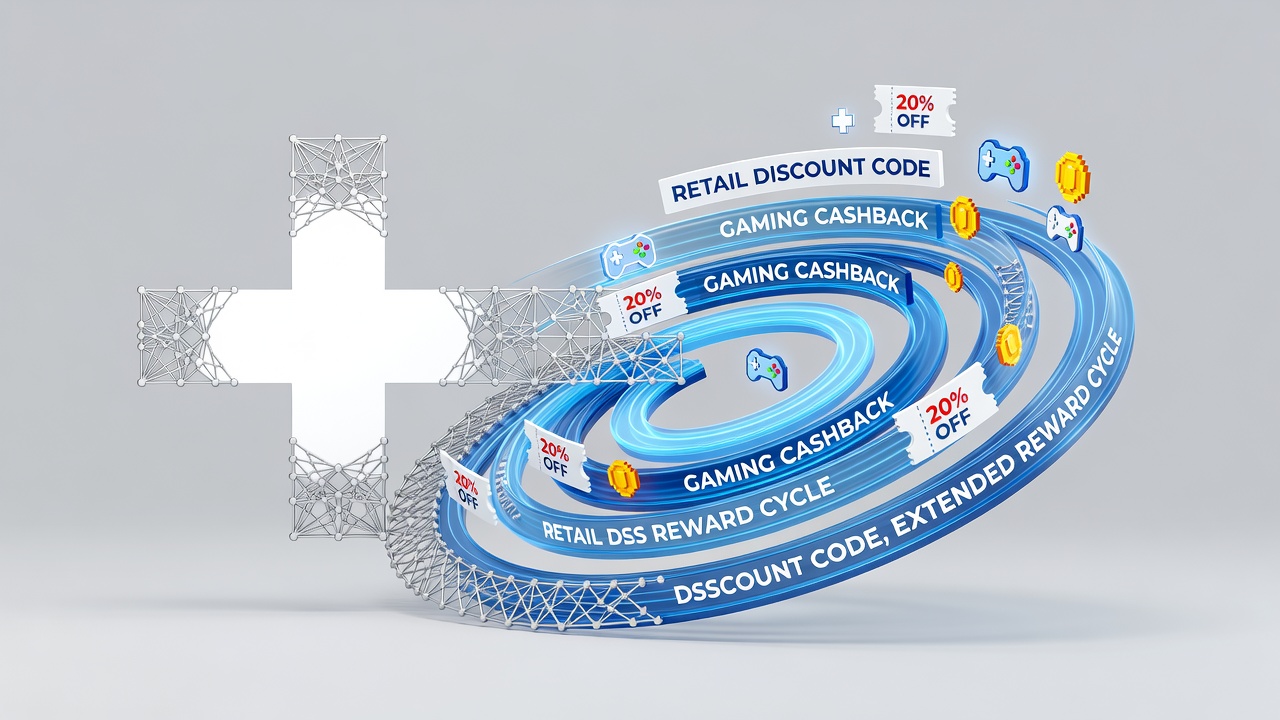
Swiss Patterns in Merging Retail Discount Codes with Gaming Cashback Layers for Extended Reward Cycles
Retail discount codes and gaming cashback layers operate as separate systems in many markets, yet Swiss consumers have developed consistent methods to combine them for longer reward periods that stretch across multiple purchase cycles. These patterns rely on timing voucher redemptions with cashback deposits from gaming platforms, which creates sequences where initial savings from one sector fund participation in the other.
Platform operators in Switzerland track these sequences through user data that shows repeated layering of retail promotions onto gaming reward wallets, and the process often begins with a standard e-commerce code applied at checkout before the resulting balance transfers into a gaming account for further accumulation.
Mechanics of Code and Cashback Integration
Retail codes typically activate at the point of sale for clothing, electronics, or grocery purchases, while gaming cashback activates after play sessions conclude on licensed platforms. Swiss users align these activations by routing part of the retail savings into prepaid gaming balances, and this alignment extends the overall cycle because each layer resets the reward clock on the next transaction.
Payment gateways used by major Swiss retailers now include options that route portions of discounts directly toward gaming wallets, which reduces the number of steps required and increases the frequency of combined redemptions observed in transaction logs from 2025 onward.
Adoption Trends Through Mid-2026
Data collected by the Swiss Federal Statistical Office reveals steady growth in combined retail and entertainment spending categories through August 2026, with cross-sector reward usage appearing in reports that track digital payment volumes. These figures indicate that households in urban cantons apply layered systems more often than those in rural areas, and the difference correlates with higher smartphone penetration rates that support simultaneous app usage for both retail and gaming interfaces.
Industry analyses from the European Gaming and Betting Association document similar layering in neighboring markets, yet Swiss implementations show tighter synchronization between code expiration dates and cashback payout schedules, which allows reward cycles to extend an average of 14 to 21 additional days compared with single-sector usage.
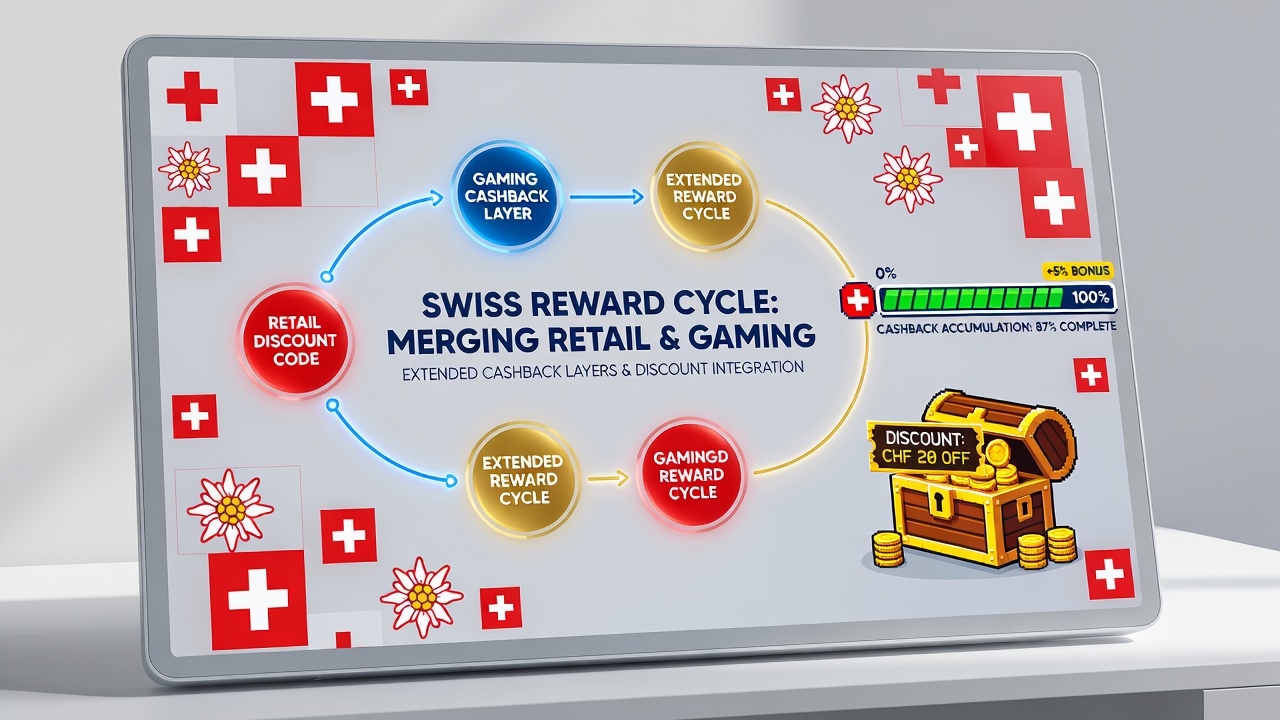
Platform Features Supporting Extended Cycles
Swiss gaming operators have introduced wallet features that accept retail voucher codes as deposit methods, and these features convert the discount value into playable credits that later generate cashback percentages. The conversion step occurs automatically when users select the retail code option during deposit, and the resulting credits carry forward into subsequent reward periods without requiring separate transfers.
Retail loyalty programs in Switzerland have begun recognizing gaming cashback statements as proof of activity for bonus tiers, which further lengthens the cycle by unlocking higher discount percentages on future purchases once gaming rewards reach certain thresholds.
Regulatory Context and Consumer Tracking
Swiss data protection rules require clear disclosure of how transaction data moves between retail and gaming sectors, and providers must obtain explicit consent before sharing details across platforms. Compliance records from 2026 show most major operators maintain separate consent flows for each layer, which preserves user control while still permitting the merged reward sequences that have become common in practice.
Observers note that these consent mechanisms have not slowed adoption rates, and transaction volumes continue to rise in line with broader digital payment growth tracked by federal authorities.
Examples of Sequence Construction
One documented pattern starts with a retail code applied to an electronics purchase, after which the saved amount funds a gaming deposit that triggers cashback credited back to the same user account. The cashback then covers part of a subsequent retail purchase, restarting the sequence with a new discount code. Platforms record these loops through timestamped entries that demonstrate average cycle lengths exceeding single-use rewards by several weeks.
Another sequence involves gaming cashback deposited first, which users convert into store credit at partner retailers before applying an additional retail code at checkout. This reverse layering appears less frequently in Swiss data but still contributes measurable volume in aggregated reports from payment processors.
Conclusion
Swiss patterns of merging retail discount codes with gaming cashback layers rest on synchronized timing, compatible payment tools, and regulatory frameworks that permit data flows with consent. Transaction records through August 2026 confirm these methods extend reward availability across multiple cycles without altering the underlying rules of either sector. Continued tracking by statistical agencies will show whether the observed sequences maintain their current growth trajectory in coming periods.